


To view images fullscreen please turn device
Mongolia Tours & Holidays
Small Group Tours & Tailor-Made Holidays
Overview
Think Mongolia and visions of wild horses and Mongol horsemen sweeping across the mountain steppes is often the most powerful image that comes to mind. And still, eight hundred years after Genghis Khan and his Mongol hordes exploded from the east in an orgy of violent conquest, this distant land in the heart of Asia still resonates with those echoes from a different time. Travel beyond the confines of Ulaan Baatar and you could find yourself travelling through a different century.
Wild ...
Think Mongolia and visions of wild horses and Mongol horsemen sweeping across the mountain steppes is often the most powerful image that comes to mind. And still, eight hundred years after Genghis Khan and his Mongol hordes exploded from the east in an orgy of violent conquest, this distant land in the heart of Asia still resonates with those echoes from a different time. Travel beyond the confines of Ulaan Baatar and you could find yourself travelling through a different century.
Wild Frontiers has unrivalled expertise at offering Mongolia tours, horse riding holidays and tailor-made holidays throughout and if you delight in the emptiness of the unspoiled wilderness and relish the challenge of exploring what, for a long period, was regarded as the 'end of the earth', then Mongolia is the adventure for you.
In a country where 30% of the population still follows a nomadic existence, sleeping in a circular felt ger - or yurt, as they are known in much of Central Asia - is just one way to experience local life. From the mountains of the north to the Gobi desert in the south, this vast, stunning country is awash with dramatic mountain scenery, spectacular deserts, a fascinating and ancient culture, and a warm and welcoming people. Experience it all on one of our Mongolia holidays or small group tours.
Start your journey
Group tours
Travel to Mongolia with like-minded people on one of our small group tours (max size 12), featuring knowledgeable local guides and an expert tour leader.
TAILOR-MADE HOLIDAYS
Whether you want to travel on one of our award-winning itineraries or build your own journey from scratch, our expert consultants will help create the perfect tour for your tastes and budget. Below are a few suggestions of the kind of trips we can offer, all of which can be tailored to you.
EXAMPLE ITINERARIES
HIGHLIGHTS OF MONGOLIA
BEST EXPERIENCES
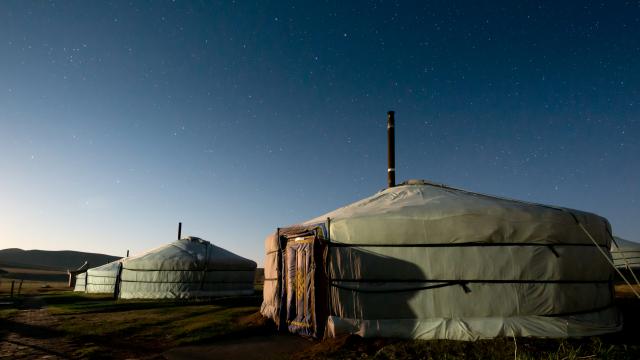
Stay in an Eco-ger Camp
Spend a night or two at Ursa Major Geolodge to get back to basics. As there is no running water at the camp, steaming hot towels will be brought to your ger every morning and evening. With no electricity, use candlelight to navigate your cosy ger at bedtime.
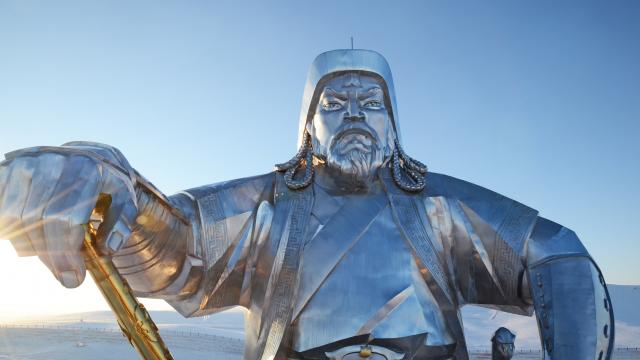
Climb the Genghis Khan Statue
This giant shining statue of Genghis Khan on horseback is made of stainless steel. If you climb up to the viewing platform on the horse's head you will be rewarded with views of over 60km across the steppe.
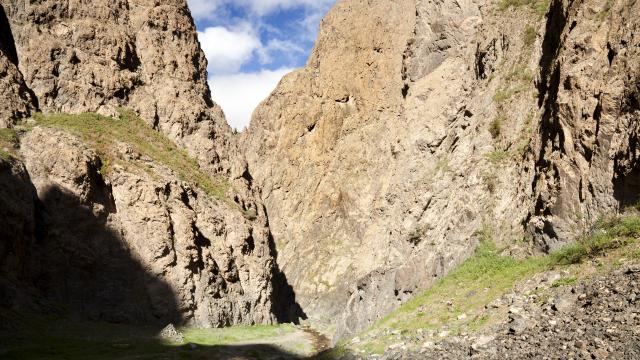
Walk up Yolyn Am Canyon
Take a walk up this long valley with high cliff walls which shade some areas of the valley floor from the sun for the entire year, allowing the stunning ice sheets to form. As you walk, look out for ibex grazing on the cliff faces.
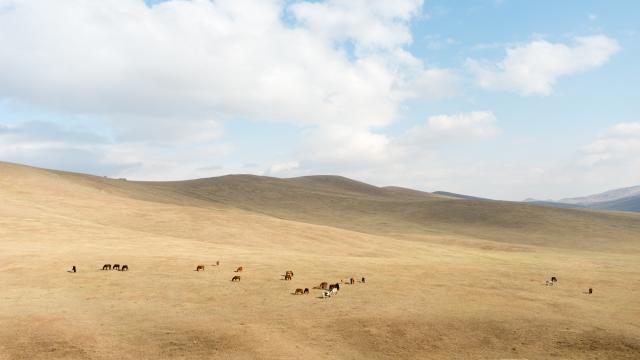
Visit the Wild Horses
Several decades ago wild horses had disappeared from Mongolia, victims of habitat loss and poaching for meat, however small numbers survived in European zoos. Through a program of careful breeding and international cooperation, the wild population was rebuilt.
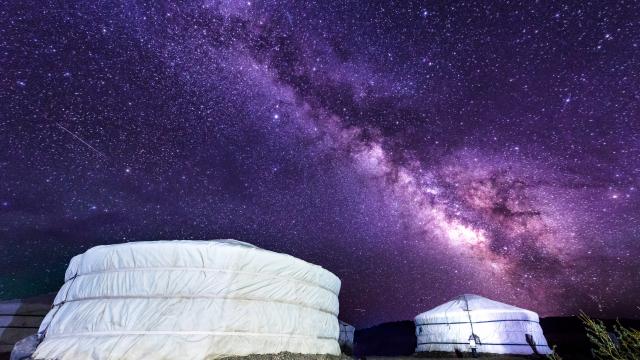
Go Stargazing
Star gazing in Mongolia is not just about enjoying the beautiful night sky about your head, it is actually a very important part of the local culture as the starry skies allowed nomadic people to navigate through the vast steppes and deserts.
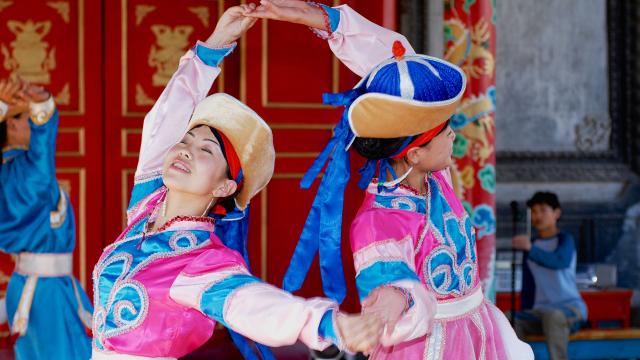
Enjoy Mongolian Folk Music and Dance
Make sure to go to a traditional Mongolian dance, singing and music performance where you can expect to see various instruments including the horse fiddle and singers along with the rather strange traditional throat singers.
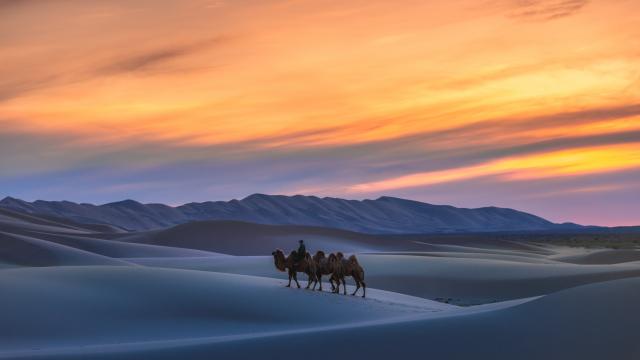
Ride a Camel on the Singing Dunes
At the impressive Khongoryn Els Dunes, an early evening climb to the top affords stunning views out across the rippling sands towards the desert beyond. You can take a camel ride along the dunes with one of the local herder families.
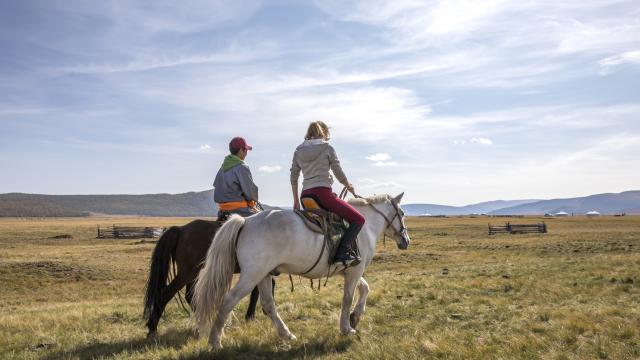
Get out on Horseback
Terelj is home to some outstanding scenery of forested hills and valleys and an abundance of bird and animal life. The best way to explore the park is by foot or on horseback, giving you the opportunity to get in to the remoter valleys and take in the scenery.
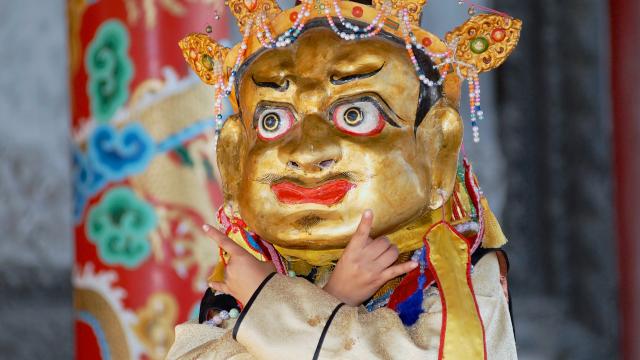
Visit a Shaman Workshop
Learn about one of the oldest beliefs in the world - Mongolia's Shamanic rituals and traditions. Pay a visit to a lady who makes costumes for shaman in her workshop. She is actually a yellow shaman herself.
TOP PLACES TO VISIT

Hustai National Park
Hustai National Park, established in 1992, is one of the best-known national parks in Mongolia. Its borders stretch from the Khentii Mountains to the Altanbulah region of Mongolia. The park houses ...

Orkhon Valley
A UNESCO World Heritage Site, the rolling pastureland of Orkhon Valley contains numerous fascinating archaeological remains, many dating back to the 6th century. The valley was continuously occupied ...

Terelj National Park
The Alpine scenery and fantastical rocks of Terelj National Park formed the homelands of Genghis Khan and his hordes. The rock formations of the park are fascinating, while the 250 plus bird species ...

Ulaanbaatar
Until fairly recently, Ulaanbaatar was a sleepy capital with a population of about 500,000, then international mining firms struck gold in the surrounding hills and the city has grown exponentially ...

Altai Tavan Bogd National Park & Ölgii
A spectacular tableau of snow-capped mountains, alpine lakes and beautiful valleys, Mongolia’s Altai Tavan Bogd National Park is home to the highest peaks in the country. Covering around 630,...

The Mongolian Gobi Desert
The Mongolian Gobi, a zone of desert and semi-desert occupies almost 30% of Mongolia's vast territory. The Gobi is often imagined to be place of unbearable heat and shifting sand dunes, whereas the ...
OUR FAVOURITE PLACES TO STAY

Best Western Premier Tuushin Hotel, Ulaanbaatar
A great five-star option in the centre of Ulaanbaatar, the Best Western Premier Tuushin Hotel offers 198 rooms. The modern amenities and stylish interiors are everything you would expect from a city…
Gobi Discovery 2, Khongoryn Els
Each of the 40 gers at the Gobi Discovery 2 faces south towards the towering sand dunes stretching in front of the mountains. The gers themselves are simple, carpeted and with twin pine beds, tables…
Gobi Mirage Ger Camp, South Gobi
High on a plateau with views stretching as far as you can see across the desert, the Gobi Mirage is home to 30 gers, each large ger has twin beds and a small table. No stoves are needed for the warm…
Nomadic Homestay (Naraa's Family), Terelj National Park
This secluded homestay with a nomadic family is tucked away in the Baruun Bayan Valley in the further reaches of Terelj, accessible only by fording the Terelj River which not many vehicles can do.…
Shangri-La Hotel, Ulaanbaatar
In the heart of the city centre, five minutes’ walk to Sukhbaatar Square, the Shangri-la is a modern, luxury hotel. The rooms are a good size with large twins or king size beds. The decor is modern…
Terelj Lodge Ger Camp, Terelj National Park
Set away from the main road and within sight of just two other camps, the Terelj lodge offers guests luxury accommodation, plenty of activities and a great restaurant. Guests are accommodated in 25…Discover more
WHEN TO GO
Although it boasts over 260 sunny days a year and is known as the "Land of the blue sky", Mongolia's climate is extreme. August typically is a great month for travelling with cooler temperatures and occasionally rain, which fills the rivers and brings fresh grass to the steppes. Weather across the globe is ever changing as seasons and climates alter every year, so always worth travelling with an open mind towards unexpected weather patterns.
Meet the expert, Clem
Clem is our Central Asia expert, who has travelled extensively in the region.
Speak to Clementine by calling
+44 (0) 20 8741 7390
LGBTQIA+ Guidance
When planning to travel as a member of the LGBTQIA+ community, there may be additional things you wish to consider doing, such as:
- Speaking to one of our travel experts for information about travelling in your chosen destination and local attitudes towards members of the LGBTQIA+ community
- Checking the Human Dignity Trust map which highlights regions and countries which are potentially dangerous to LGBTQIA+ people, or Equaldex, which tracks the progress of LGBTQIA+ rights around the world.
- Checking the ‘Local laws and customs’ section of your country's official foreign travel advice page
- Looking for any updates for your desired destination on the Human Rights Watch LGBTQIA+ rights page
- Buying a recommended guidebook, as many include an LGBTQIA+ section and advice for LGBTQIA+ travellers
USEFUL INFORMATION
Health and Vaccinations
There are no mandatory immunisations for travellers to Mongolia though you should be up-to-date with Typhoid, Tetanus, Polio and Hepatitis A. We recommend you seek advice from your local GP or travel centre as to the correct immunisations and preventative treatments.
Currency
In Mongolia the unit of currency is the Tugrik.
To check out the latest exchange rate for the places that you are visiting you can go to www.oanda.com.
Cultural Sensitivity
On our tours you will frequently interact with local people, each with their own distinct customs and traditions. We therefore ask you to be considerate and to treat them with respect. Your tour-leaders and guides will always be able to advise you accordingly.
Language & Religion
The official language of Mongolia is Khalkga Mongolian and is spoken by 90% of the population. Today, Mongolian is written using the Cyrillic alphabet.
Statistics state that half of the population follow Tibetan Buddhism, with 40% having no religion, 6% being Shamanist, Baha’i and Christian, and around 4% Muslim.
Time
Mongolia is 8 hours ahead of GMT. A useful website to check the time zone differences is www.worldtimezone.com.
Food and drink
An old Mongolian saying goes something like: 'Breakfast, keep for yourself; lunch, share with your friends; dinner, give to your enemies'. The biggest and most important meals for Mongolians are breakfast and lunch, which will usually consist of boiled mutton with lots of fat and flour and maybe some dairy products or rice. The Mongolians are big tea drinkers and the classic drink is süütei tsai (salt milk tea). Men who refuse to drink arkhi (vodka) are considered less manly, while herders make their own unique home brew airag, which is fermented horse milk with an alcoholic content of about 3%. Many Mongolians distil it further to produce shimiin arkhi, which boosts the alcohol content to around 12%.
Mongolia is a meat-eating country, but don’t be put off if you are vegetarian as they are getting much better at accommodating for this. The variety of restaurants in Ulaanbaatar continues to expand and
currently includes French, Korean, Mexican, Thai, Russian, Italian and Indian. Meals in the Ger camps and at our backcountry campsites are prepared for you by cooking and trekking staff and are as varied as possible given their remote locations, but still offer a great spread of food.
Travelling Solo In Mongolia
All of our small group tours are designed to cater for solo travellers: the number of solo travellers will vary from tour to tour, but usually over half will be travelling alone. Get all of the excitement of discovering new places combined with the security of travelling with an organised group, with like minded people.