


To view images fullscreen please turn device
Suriname Tours & Vacations
Small Group Tours & Tailor-Made Vacations
Overview
Occupying the northeastern edge of South America along the Atlantic coast, Suriname is the continent’s smallest sovereign state. It shares borders with French Guiana to the east, Guyana to the west, and Brazil to the south. Long before European contact, the region was home to a rich mosaic of Indigenous societies.
Today, Suriname’s cultural landscape reflects centuries of migration shaped by Dutch colonial rule, which brought waves of forced, voluntary, and indentured movement ...
Occupying the northeastern edge of South America along the Atlantic coast, Suriname is the continent’s smallest sovereign state. It shares borders with French Guiana to the east, Guyana to the west, and Brazil to the south. Long before European contact, the region was home to a rich mosaic of Indigenous societies.
Today, Suriname’s cultural landscape reflects centuries of migration shaped by Dutch colonial rule, which brought waves of forced, voluntary, and indentured movement from different parts of the world. The resulting society blends Arawak and Carib heritage with Indian and Javanese influences, forming one of the most ethnically, religiously, and linguistically diverse populations globally. Although geographically part of South America, its cultural rhythms and social character are often described as distinctly Caribbean.
Environmentally, the country stands out for its vast protected areas and largely untouched ecosystems. The Central Suriname Nature Reserve, recognized as a UNESCO World Heritage Site, safeguards immense tracts of primary tropical forest and exceptional biodiversity. Much of Suriname lies within the Amazon basin, encompassing some of the region’s most pristine rainforest. These habitats sustain rare and emblematic wildlife, including jaguars and giant river otters, along with an extraordinary diversity of freshwater species—some only recently documented by science.
With roughly 30 percent of its territory legally protected, Suriname’s reserves are a defining national asset. Though modest in size, the country offers an outsized combination of ecological richness and cultural depth, making it a compelling destination for both adventure and discovery.
Start your journey
Group tours
Travel to Suriname with like-minded people on one of our small group tours (max size 12), featuring knowledgeable local guides and an expert tour leader.
HIGHLIGHTS OF SURINAME
BEST EXPERIENCES
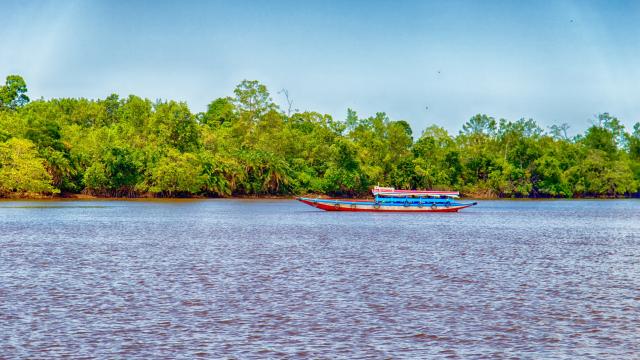
Taverse the Surinamese Hinterland
Sparsely populated and primarily covered by untouched Amazon Rainforest, the Surinamese interior's isolated status makes it a haven for biodiversity and indigenous communities.
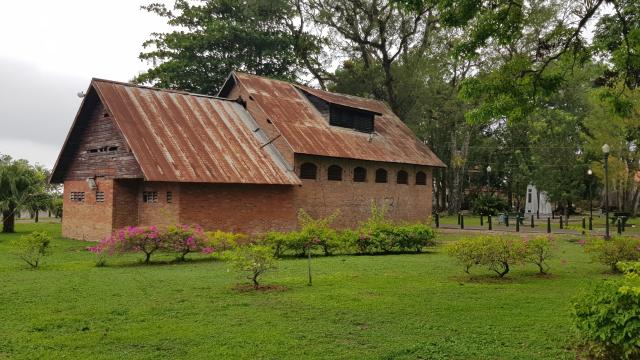
Uncover Suriname's Dutch Colonial Influence in Paramaribo
Paramaribo blends vibrant Caribbean culture with Dutch colonial architecture. Its historic centre, a UNESCO site, features wooden Dutch-style buildings with gabled roofs, shutters, and canal-like streets adapted to the tropics. A major landmark is Fort Zeelandia, a 17th-century Dutch fortress.
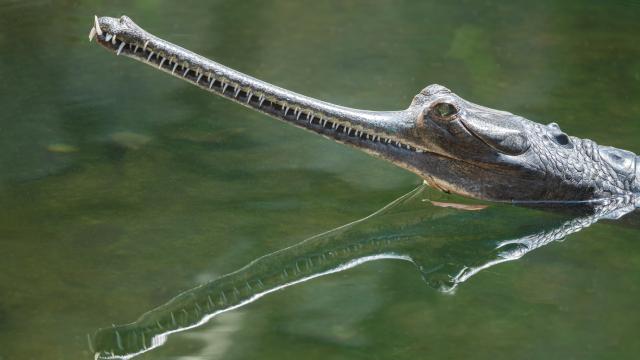
Search for Caiman in the Upper Suriname River
Suriname is a treasure trove of flora and fauna, and the Upper Suriname River is no exception. Travelling by boat at night offers a chance to get up close to the animals that call these waters home, most famously the armoured caiman, which comes alive after dark.
Discover more
WHEN TO GO
Located just north of the equator, Suriname has a tropical climate that is hot and humid throughout the year, with weather patterns shaped by distinct wet and dry seasons rather than large temperature changes.
The main rainy seasons typically occur from April to July and again from December to January, bringing frequent heavy tropical downpours. In contrast, the drier periods—roughly August to November and February to April—are generally considered the best times to visit, with easier travel conditions and better access to inland regions.
Coastal areas such as Paramaribo benefit from cooling Atlantic breezes, helping to moderate the heat and humidity. Further inland, rainforest and savannah regions experience their own microclimates, with lush, dense jungle remaining green and humid year-round, while interior savannah areas can feel hotter and drier during the dry season.
LGBTQIA+ Guidance
When planning to travel as a member of the LGBTQIA+ community, there may be additional things you wish to consider doing, such as:
- Speaking to one of our travel experts for information about travelling in your chosen destination and local attitudes towards members of the LGBTQIA+ community
- Checking the Human Dignity Trust map which highlights regions and countries which are potentially dangerous to LGBTQIA+ people, or Equaldex, which tracks the progress of LGBTQIA+ rights around the world.
- Checking the ‘Local laws and customs’ section of your country's official foreign travel advice page
- Looking for any updates for your desired destination on the Human Rights Watch LGBTQIA+ rights page
- Buying a recommended guidebook, as many include an LGBTQIA+ section and advice for LGBTQIA+ travellers
USEFUL INFORMATION
Health and Vaccinations
There are no mandatory immunisations for travellers to Suriname though you should be up-to-date with Typhoid, Tetanus, Polio and Hepatitis A. Malaria is not present in Suriname however we generally recommend you seek advice from your local GP or travel centre as to the correct immunisations and preventative treatments.
Currency
In Guyana the official unit of currency is the Surinamese dollar.
To check out the latest exchange rate for the places that you are visiting you can go to www.oanda.com.
Cultural Sensitivity
While Surinamese culture and customs may feel unfamiliar at first, as a visitor you are not expected to know or fully understand everything right away. Suriname is a highly diverse nation with influences from Indigenous, African, Indian (South Asian), Javanese, Chinese, and European cultures, which means social norms can be unique and vary across communities. People are generally warm, welcoming, and understanding, and you will likely be forgiven for small cultural mistakes as you learn. However, as in any country you visit, it is important to show respect for local traditions, values, and the people you meet.
Language & Religion
The official language of Suriname is Dutch, and it is widely used in government, education, and daily communication. However, in everyday life in places like Paramaribo, you will also commonly hear Sranan Tongo, as well as other languages such as Sarnami Hindi, Javanese, and various Indigenous languages.
Suriname is a multi-religious society where Christianity, Hinduism, and Islam are among the major faiths, alongside Winti, Indigenous spiritual traditions, and other belief systems. It is common in Suriname to see people participating in celebrations across different religions; for example, many non-Hindus take part in festivals such as Divali and Holi (locally known as Phagwa), which are widely celebrated in everyday national life.
Time
Suriname is 3 hours behind GMT. A useful website to check the time zone differences is www.worldtimezone.com.
Food and drink
Suriname offers a rich culinary scene shaped by Indigenous, African, Indian, Javanese, Chinese, and Dutch influences, making it a true fusion of global flavours. From street food stalls to casual eateries and refined dining in places like Paramaribo, you’ll find an impressive variety of authentic and flavourful dishes.
You can enjoy local favourites such as roti with curried meats, pom (a baked casserole dish with Afro-Surinamese and Jewish influences), saoto soup (a Javanese-influenced chicken soup), nasi goreng, and fresh seafood from the Atlantic coast.
Travelling Solo In Suriname
All of our small group tours are designed to cater for solo travellers: the number of solo travellers will vary from tour to tour, but usually over half will be travelling alone. Get all of the excitement of discovering new places combined with the security of travelling with an organised group, with like minded people.