


To view images fullscreen please turn device
French Guiana Tours & Holidays
Small Group Tours & Tailor-Made Holidays
Overview
Ironically, this tiny South American territory is actually the second-largest region of France. Covering over 83,500 square kilometers, it was once known primarily as a remote penal outpost before evolving into the modern region it is today, currently boasting the highest GDP per capita of anywhere in South America. Considered a part of the European Union and adopting the Euro as its official currency, this unusual blend of French tradition and Amerindian culture only adds to its intriguing charm. ...
Ironically, this tiny South American territory is actually the second-largest region of France. Covering over 83,500 square kilometers, it was once known primarily as a remote penal outpost before evolving into the modern region it is today, currently boasting the highest GDP per capita of anywhere in South America. Considered a part of the European Union and adopting the Euro as its official currency, this unusual blend of French tradition and Amerindian culture only adds to its intriguing charm. Add in some of the most diverse plant and animal life on the planet and the presence of the European Space Agency’s primary launch site near the equator and you have one of the continent’s most fascinating destinations. To the north-east lie an idyllic mix of mountains, rivers and beaches, whilst the central part of the territory is blanketed in thick equatorial jungles that harbour some 700 species of birds and over 170 different types of mammal. What it lacks in heritage sites, this remarkable land more than makes up for in colourful architecture and the almost macabre appeal of its historic ruins. The Îles du Salut, once a site for those serving harsh sentences, are today a haven for sea turtles, capuchins and macaws, where nature has softened the outlines of the old buildings into something almost picturesque.
Start your journey
Group tours
Travel to French Guiana with like-minded people on one of our small group tours (max size 12), featuring knowledgeable local guides and an expert tour leader.
HIGHLIGHTS OF FRENCH GUIANA
BEST EXPERIENCES
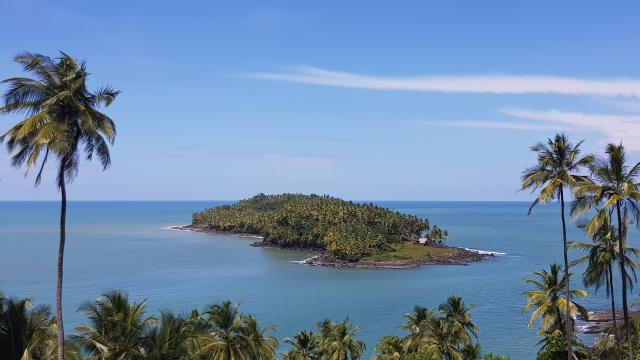
Uncover the infamous past of the Salvation Islands
Cruise by boat to the Îles du Salut (Salvation Islands), a tropical archipelago of three volcanic islands which once housed a notorious penal colony. French author Henri Charrière was imprisoned on the Salvation Islands and his time there, as well as his subsequent escape, are documented in his memoir: Papillon.
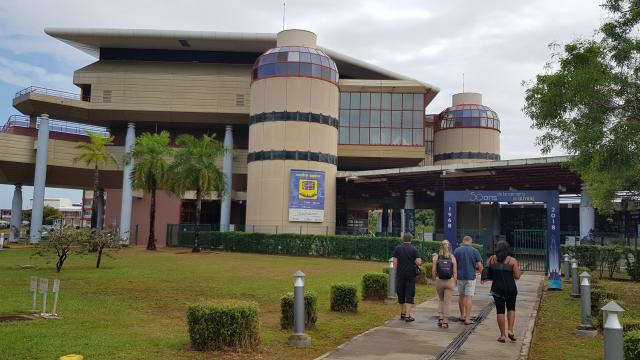
Tour the Guiana Space Center
In operation since 1968, the Guiana Space Center, also known as Europe's Spaceport, is a world-renowned, and Europe's only, launch site. The spaceport was established northwest of Kourou to allow rockets to optimise the Earth's maximum rotation speed.
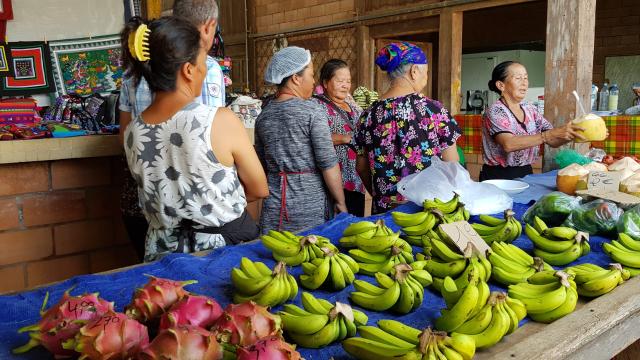
Visit and Barter at the Hmong Market
Following the Vietnam War, approximately 1,000–2,000 Hmong people from Laos were resettled in French Guiana, where they have since built a vibrant community with a distinct cultural identity. Every Sunday, the local Hmong farming community comes together to sell fresh fruit and vegetables, Asian street food, and textiles, offering a lively showcase of their culinary traditions and cultural heritage.
Discover more
WHEN TO GO
Located just north of the equator, French Guiana has a tropical climate that is hot and humid throughout the year, with weather patterns shaped more by distinct wet and dry seasons than by large temperature changes.
The main rainy seasons typically occur from April to July and again from December to January, bringing frequent heavy tropical downpours. In contrast, the drier periods - August to November and February to April — are generally considered the best times to visit.
Coastal areas such as Cayenne benefit from cooling Atlantic breezes, which help to moderate the heat and humidity. Further inland, dense Amazon rainforest dominates the landscape, where conditions remain lush, hot, and humid year-round, while more open interior areas can feel slightly hotter and drier during the dry season.
LGBTQIA+ Guidance
When planning to travel as a member of the LGBTQIA+ community, there may be additional things you wish to consider doing, such as:
- Speaking to one of our travel experts for information about travelling in your chosen destination and local attitudes towards members of the LGBTQIA+ community
- Checking the Human Dignity Trust map which highlights regions and countries which are potentially dangerous to LGBTQIA+ people, or Equaldex, which tracks the progress of LGBTQIA+ rights around the world.
- Checking the ‘Local laws and customs’ section of your country's official foreign travel advice page
- Looking for any updates for your desired destination on the Human Rights Watch LGBTQIA+ rights page
- Buying a recommended guidebook, as many include an LGBTQIA+ section and advice for LGBTQIA+ travellers
USEFUL INFORMATION
Health and Vaccinations
There are no mandatory immunisations for travellers to French Guiana, although it is strongly recommended that you are up to date with routine vaccinations such as Typhoid, Tetanus, Polio and Hepatitis A.
Malaria is present in some areas of French Guiana, particularly in more remote and forested regions, so it is important to seek advice from your local GP or a specialist travel clinic regarding recommended vaccinations, anti-malarial medication, and preventative measures before you travel.
Currency
In French Guiana the official unit of currency is the Euro.
To check out the latest exchange rate for the places that you are visiting you can go to www.oanda.com.
Cultural Sensitivity
While French Guianese culture may feel unfamiliar at first, visitors are not expected to immediately understand every custom or social nuance. French Guiana is a highly diverse territory, shaped by a blend of Creole, French, Indigenous, African, Maroon, Brazilian, and Asian influences, all of which contribute to its rich cultural identity.
Locals are generally welcoming and patient, and small cultural misunderstandings are usually met with understanding. As with any destination, showing respect for local traditions, community values, and the people you meet will greatly enhance your experience.
Language & Religion
The official language of French Guiana is French, which is used in government, education, and most formal communication. In everyday life, however, you will also hear a variety of Creole languages, as well as languages spoken by Indigenous communities, and those brought by immigrant populations, including Portuguese, Hmong, and various regional dialects.
French Guiana is religiously diverse, with Christianity being the most widely practiced faith, alongside Hinduism, Islam, and Indigenous spiritual traditions. It is common to see a range of cultural and religious celebrations taking place throughout the year, reflecting the territory’s multicultural makeup.
Time
French Guiana is 3 hours behind GMT.
A useful website to check the time zone differences is www.worldtimezone.com.
Food and drink
French Guiana offers a vibrant and diverse culinary scene influenced by Creole, French, African, Asian, and Amazonian traditions. From street food stalls to local eateries, particularly in Cayenne and other towns, you’ll find a rich mix of flavours and cooking styles.
Popular dishes include bouillon d’awara (a traditional Creole stew), accras (fried fritters often made with fish or vegetables), grilled fish, exotic fruits, and dishes influenced by Brazilian, Chinese, and Southeast Asian cuisines. The food culture reflects the territory’s diverse population and its connection to both the Caribbean and the Amazon region.
Travelling Solo In French Guiana
All of our small group tours are designed to cater for solo travellers: the number of solo travellers will vary from tour to tour, but usually over half will be travelling alone. Get all of the excitement of discovering new places combined with the security of travelling with an organised group, with like minded people.